
 France (en)
 Italy
Italy
 Japan
Japan
 United States









Beyond Attar: The Deeper Story of India's Fragrance Heritage
When people think of Indian fragrance, one word often comes to mind: attar.
It is understandable. For centuries, attars — natural perfume oils distilled from flowers, herbs, woods and spices — have represented one of India's most enduring contributions to the world of scent.
Yet reducing India's fragrance history to attar alone is rather like reducing French wine to Champagne. It tells only part of the story.
India's relationship with fragrance is among the oldest and most sophisticated in human civilisation. Long before perfume houses appeared on the streets of Paris or Milan, scent had already become woven into India's rituals, philosophy, medicine, architecture and daily life.
Fragrance was never merely ornamental. It was cultural. It was spiritual. It was emotional.
Today, as the world begins to discover a new generation of Indian luxury, it is worth revisiting this remarkable heritage — not simply as history, but as the foundation of what modern Indian perfumery can become.
A Civilisation That Understood Fragrance
The story of Indian perfume heritage begins thousands of years before modern perfumery.
Ancient texts describe aromatic flowers, sacred woods, medicinal herbs and fragrant resins used not simply for beauty, but for balance and wellbeing:
- Sandalwood cooled the body
- Vetiver refreshed homes during the summer
- Rose soothed the senses
- Jasmine accompanied ceremonies of celebration
- Cardamom and saffron perfumed royal kitchens as naturally as they scented royal courts
Fragrance was not separated from life. It flowed through it.
Unlike modern perfume, which is often treated as a luxury accessory, scent in India became part of everyday existence. Homes were scented. Temples were scented. Gardens were planted for fragrance as much as for colour.
Even the changing seasons carried their own olfactory identity. The arrival of monsoon, the flowering of jasmine and the warmth of earth after rain became part of India's collective memory.
Nature as the First Perfumer
India possesses one of the world's richest collections of aromatic botanicals. Few countries enjoy such extraordinary geographical diversity. From the Himalayan foothills to the tropical south, every region contributes its own distinctive palette:
- The cool earthiness of vetiver
- The creamy elegance of sandalwood
- The brightness of citrus
- The warmth of cardamom
- The softness of rose
- The intoxicating beauty of jasmine
- The depth of patchouli
- The gentle spice of black pepper
For centuries these ingredients travelled across continents. Arab traders valued them. European perfumers relied upon them. Luxury houses quietly sourced them.
Yet the finished perfumes often carried foreign labels. India supplied the soul. Others signed the bottle.
The Art of Attar
Attar deserves its place in perfume history. Its traditional production remains one of the world's most beautiful examples of artisanal craftsmanship.
Fresh flowers are distilled slowly using copper vessels. The aromatic vapour passes through water before being absorbed into natural sandalwood oil. No haste. No industrial acceleration. Only patience.
The result is fragrance that feels intimate rather than loud. Unlike alcohol-based perfumes, attars rest close to the skin. They evolve gently with body temperature, becoming almost inseparable from the wearer.
This quiet elegance explains why attars continue to fascinate collectors around the world.
Yet attar was never intended to be the final chapter of Indian perfumery. It was one expression of a much larger tradition.
Fragrance in the Royal Courts
Across India's great kingdoms, perfume represented refinement rather than extravagance.
Royal gardens cultivated fragrant flowers specifically for aromatic use. Palaces were perfumed before important ceremonies. Guests were welcomed with rose water. Textiles were scented before being presented.
Even architecture embraced fragrance. Fountains cooled the air while carrying floral aromas through palace courtyards. Gardens were designed not simply to be seen but to be experienced through scent.
Luxury was understood as something immersive. It engaged every sense.
Fragrance as Memory
Perhaps India's greatest contribution to perfumery is philosophical rather than technical.
Indian culture has long understood that scent possesses extraordinary emotional power. A single aroma can transport someone instantly:
- The smell of wet earth after rain
- Fresh jasmine at dusk
- Sandalwood during prayer
- Cardamom simmering in tea
These fragrances do more than smell pleasant. They awaken memory.
Modern neuroscience increasingly confirms what Indian tradition has understood for centuries — that scent is uniquely connected to emotion. This relationship between fragrance and memory remains one of perfumery's greatest mysteries and greatest gifts.
Why India's Story Became Quiet
If India's fragrance tradition is so profound, why has it remained relatively unknown in global luxury?
The answer lies partly in history. For generations, India became recognised primarily as a source of exceptional raw materials. Its flowers, spices, woods and botanicals travelled across oceans to supply perfumers elsewhere.
The craftsmanship remained. The ingredients remained. The knowledge remained.
What did not emerge with equal strength were globally recognised Indian luxury perfume houses. The world admired Indian ingredients without necessarily recognising Indian creators.
That balance is finally beginning to change.
The Return of Contemporary Indian Perfumery
Today's generation of Indian fragrance houses is writing an entirely new chapter. Rather than recreating historical perfumes, they are interpreting India's heritage through a contemporary lens.
Traditional botanicals meet modern perfumery. Ancient inspiration meets international craftsmanship. Indian identity meets global sophistication.
This evolution feels remarkably natural. Luxury consumers increasingly seek authenticity rather than familiarity. They value provenance. They appreciate cultural depth. They are curious about stories rooted in real places rather than marketing narratives.
India offers all of these qualities in abundance.
Heritage Must Continue to Evolve
True heritage is never static. It grows.
Every great luxury house evolves while respecting its origins. French perfumery continues to innovate. Italian fashion constantly reinvents itself. Japanese craftsmanship embraces contemporary design while preserving centuries-old techniques.
Indian fragrance must do the same.
The future is not found in reproducing history exactly as it was. It lies in expressing timeless values through modern craftsmanship: respect for nature, patience, balance, and artistry. These principles remain as relevant today as they were hundreds of years ago.
A New Voice for Indian Luxury
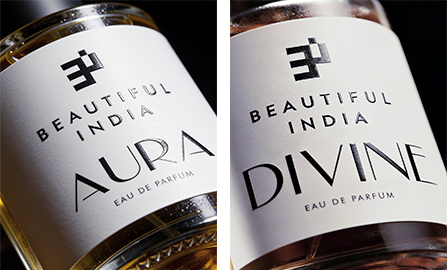
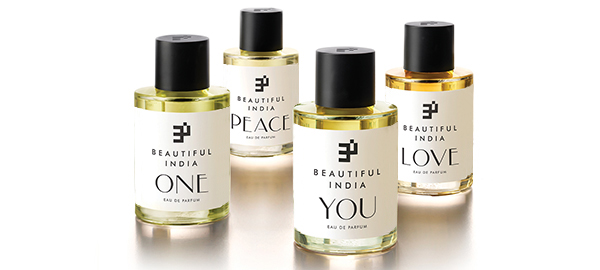
Among the houses contributing to this renaissance is BEAUTIFUL INDIA. Its philosophy begins with a simple belief: that beauty is first discovered within ourselves.
Rather than drawing only upon India's past, BEAUTIFUL INDIA interprets Indian luxury for a contemporary world. Its fragrances combine exceptional Indian botanicals with 28 rare ingredients sourced from 22 countries, creating compositions that are both rooted and global. Each fragrance is completed using pristine glacial Himalayan water — a distinctive signature that reflects purity, origin and craftsmanship.
This approach reflects an important shift. India is no longer simply providing extraordinary ingredients to the world. It is increasingly creating luxury experiences that carry its own voice, values and identity.
Rather than presenting India as exotic, BEAUTIFUL INDIA presents it as sophisticated, thoughtful and quietly confident. In doing so, it joins a growing movement of Indian creators redefining how the world understands luxury.
Looking Beyond Attar
Attar will always remain one of India's great gifts to perfumery. Its artistry deserves admiration. Its craftsmanship deserves preservation. Its history deserves celebration.
But India's fragrance story extends far beyond attar. It is the story of a civilisation that understood scent as ritual before it became commerce. As memory before it became marketing. As beauty before it became branding.
Today, that story is finding new expression through a generation of luxury fragrance houses drawing inspiration from India's extraordinary cultural and botanical heritage while speaking confidently to a global audience.
Perhaps that is the true future of Indian perfumery — not choosing between tradition and modernity, but allowing each to enrich the other.
Because the finest fragrances never simply preserve history. They allow history to breathe again. And India's remarkable perfume heritage, after centuries of quiet influence, is finally beginning to receive the recognition it has always deserved.
Frequently Asked Questions
Is attar the same thing as Indian perfume heritage?
No. Attar is one significant expression of India's fragrance tradition, but the heritage extends much further — into ritual, medicine, architecture, royal courts and daily life. Reducing India's fragrance history to attar alone leaves out most of the story.
What is attar, and how is it made?
Attar is a natural perfume oil traditionally made by slowly distilling fresh flowers using copper vessels. The aromatic vapour passes through water before being absorbed into natural sandalwood oil — a patient, artisanal process with no industrial shortcuts.
Why does attar smell different from alcohol-based perfumes?
Because it's oil-based rather than alcohol-based, attar rests close to the skin and evolves gently with body temperature, giving it a more intimate, close-to-skin character compared to the greater projection of alcohol-based fragrances.
Why hasn't India been globally recognised for luxury perfumery until now?
Historically, India was valued primarily as a source of raw materials its flowers, spices and botanicals were sourced by perfumers abroad, but the finished luxury products carried foreign labels. Indian ingredients were celebrated more than Indian creators.
How is fragrance connected to Indian culture beyond perfume itself?
Scent was woven into everyday life temples and homes were perfumed, royal courts used rose water and scented textiles, and even architecture incorporated fragrance through fountains and gardens designed to be experienced through smell.
What is the link between fragrance and memory in Indian tradition?
Indian culture has long recognised scent's power to evoke memory and emotion — the smell of rain on earth, jasmine at dusk, or sandalwood during prayer. Modern neuroscience is now confirming this connection between scent and emotion.
How does contemporary Indian perfumery differ from historical attar-making?
Rather than recreating historical perfumes, today's Indian fragrance houses interpret that heritage through a contemporary lens combining traditional botanicals with modern perfumery techniques and international craftsmanship standards.