
 France (en)
 Italy
Italy
 Japan
Japan
 United States






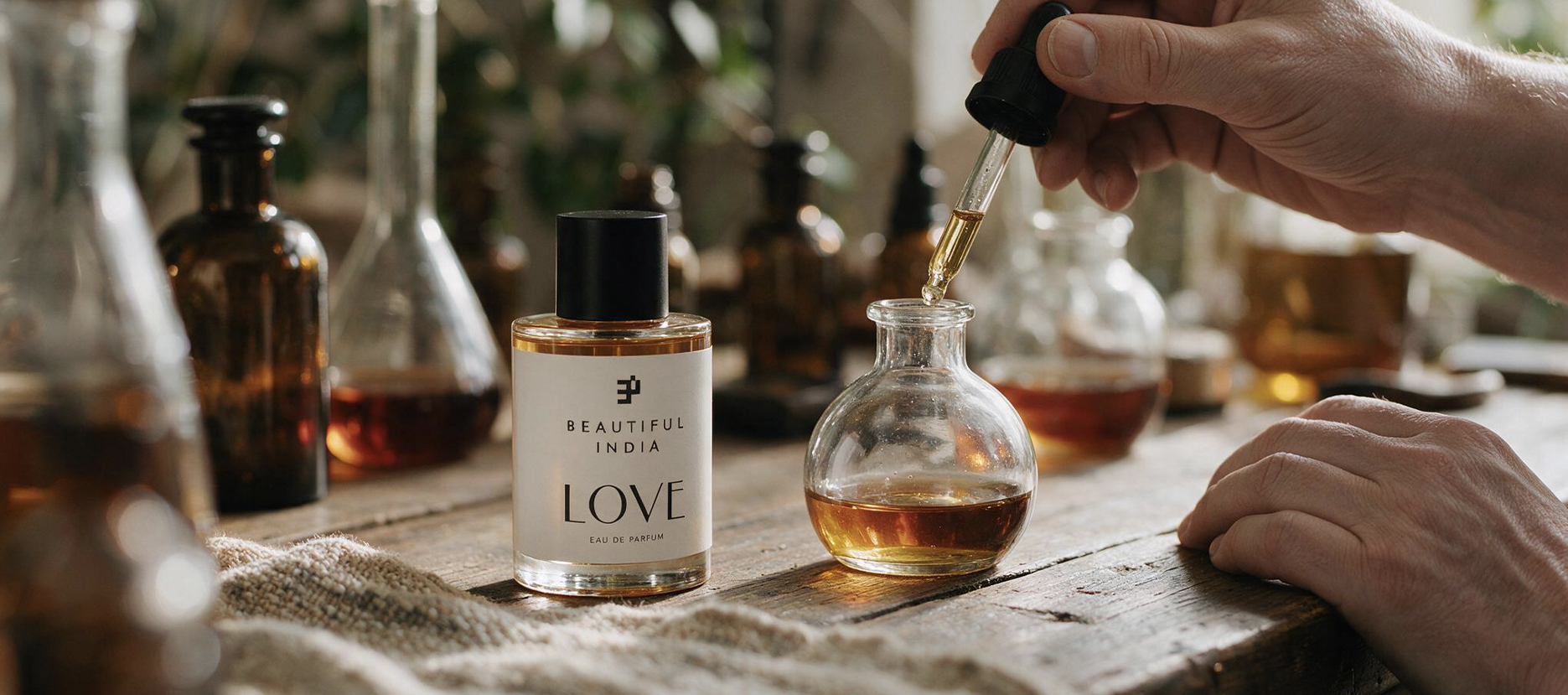
What Truly Makes a Perfume a Luxury? Understanding the Luxury Fragrance Definition.
Luxury is one of the most overused words in modern commerce. It appears on everything from handbags and watches to chocolates, hotels and skincare. In fragrance, perhaps more than anywhere else, the word has become increasingly detached from its true meaning.
A higher price alone does not make a perfume luxurious. Nor does celebrity endorsement, elaborate packaging or a fashionable logo.
So what defines luxury perfume in its truest sense?
True luxury in perfumery is something quieter.
It reveals itself in patience rather than speed. In artistry rather than algorithms. In the pursuit of beauty rather than mass appeal.
Long before a fragrance reaches the bottle, luxury begins with a question every great perfumer asks:
“Can this composition move someone emotionally?”
That question changes everything.
Luxury Begins with Creation, Not Marketing
Many perfumes sold today are developed around market research. Consumer panels identify popular notes. Trends are analysed. Cost targets are established before the fragrance itself is imagined.
The objective is often straightforward: create something broadly appealing at a commercially viable cost.
Luxury perfumery follows a different path.
Instead of asking what will sell most quickly, it asks what deserves to exist.
Master perfumers may spend months—sometimes years—adjusting hundreds of tiny details before declaring a fragrance complete. Individual ingredients are evaluated not simply for their scent but for how they evolve over hours, interact with skin chemistry and reveal themselves over time.
In many cases, the difference between an ordinary fragrance and an extraordinary one is almost invisible to the casual observer. Yet the wearer experiences it instinctively.
Luxury does not shout.
It unfolds.
The Rarity of Exceptional High-End Perfume Ingredients
Every memorable perfume tells a story through its raw materials.
Some ingredients are cultivated only in specific climates. Others require thousands of flowers to produce a few millilitres of essential oil. Some are harvested by hand using methods refined over centuries.
These high-end perfume ingredients are central to the luxury fragrance definition.
The world’s finest perfumers source from an extraordinary geography of craftsmanship:
- Bulgarian roses harvested before sunrise.
- Italian bergamot picked at peak freshness.
- Indian sandalwood treasured for its creamy depth.
- Haitian vetiver with its earthy elegance.
- Madagascan vanilla with remarkable warmth.
- Egyptian geranium offering luminous freshness.
- Indonesian patchouli aged to achieve extraordinary richness.
Each ingredient carries the character of its landscape.
Like fine wine, fragrance begins with terroir—the unique relationship between climate, soil, altitude and human expertise.
Luxury perfumery respects that origin.
Rather than overwhelming these materials with synthetic uniformity, great compositions allow each ingredient to retain its individuality while becoming part of something larger.
Time Is One of Luxury’s Most Precious Ingredients
Perhaps the most overlooked ingredient in luxury fragrance is time itself.
Some natural materials improve through ageing. Certain patchoulis become smoother after years of maturation. Resins deepen. Woods soften. Entire accords become more harmonious through careful refinement.
Equally important is the time invested during formulation.
It is not unusual for a luxury fragrance to undergo hundreds of revisions before reaching its final expression.
Each modification may involve adjusting an ingredient by less than one percent.
Those tiny refinements often create profound emotional differences.
This level of patience is difficult to measure.
Yet it is exactly what distinguishes craftsmanship from manufacturing—and helps answer what defines luxury perfume at its core.
Craftsmanship Beyond the Formula
Luxury extends beyond the liquid itself.
Bottle design should complement rather than distract. Packaging should protect while expressing refinement. Every tactile detail contributes to the experience — from the weight of the cap to the precision of the atomiser.
The objective is never excess. It is thoughtful permanence. True luxury objects invite repeated use rather than fleeting admiration.
Sustainability Is Becoming a New Expression of Luxury
Modern luxury is increasingly defined by responsibility. Consumers now expect transparency regarding sourcing, environmental stewardship and ethical production.
This evolution represents a return to craftsmanship rather than a departure from it:
- Respecting farmers
- Protecting ecosystems
- Supporting traditional cultivation
- Using resources thoughtfully
These practices strengthen the integrity of luxury rather than limiting it. The finest fragrance houses understand that beauty and responsibility are no longer separate conversations.
Why Provenance Matters
Just as Swiss watchmaking carries generations of expertise, and Italian leather reflects centuries of artisanal tradition, fragrance gains depth through provenance.
Knowing where ingredients originate creates meaning. Understanding how they are cultivated builds trust. Recognising the cultural history behind materials enriches appreciation.
A perfume connected to authentic heritage carries a sense of place impossible to manufacture through marketing alone. That authenticity increasingly defines contemporary luxury.
The Return of Storytelling
Consumers today seek more than beautiful products. They seek meaning.
They want to understand why a fragrance was created, who imagined it, where its ingredients were grown and what philosophy shaped its creation.
Storytelling, when rooted in authenticity, transforms perfume from a cosmetic product into a cultural object. It creates emotional permanence. Long after individual notes fade, the story remains.
Luxury as an Inner Experience
Perhaps the most profound shift in modern fragrance is that luxury is becoming less performative. It is no longer simply about impressing others. It is increasingly about how one feels within oneself.
The finest fragrances are worn not to announce status but to cultivate presence. They accompany quiet mornings, meaningful conversations, important journeys and ordinary moments transformed through beauty.
Luxury becomes deeply personal. It is less about visibility and more about experience.
A New Chapter in Luxury Fragrance
As the global fragrance landscape evolves, a new generation of houses is redefining what luxury can represent. Rather than relying solely on heritage measured in centuries, they build credibility through craftsmanship, provenance and authenticity.
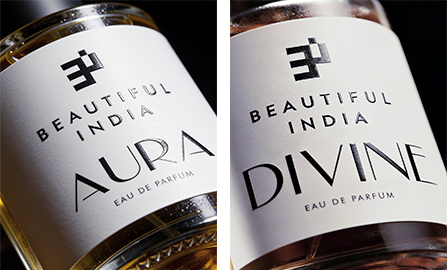
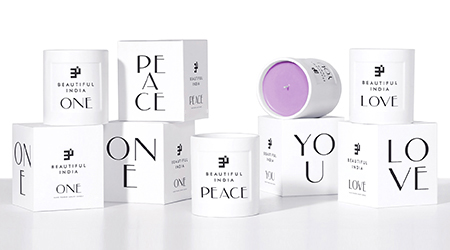
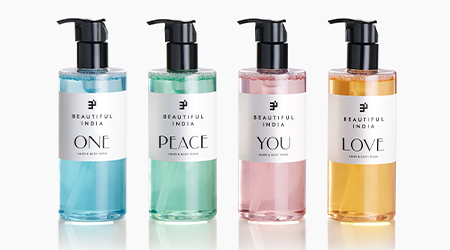
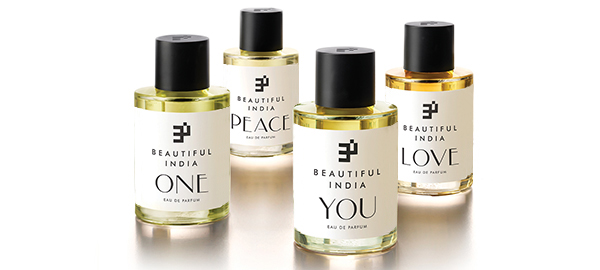
Among them is BEAUTIFUL INDIA, a luxury fragrance house inspired by one enduring belief: that beauty begins within.
Its compositions unite exceptional Indian ingredients with rare botanicals sourced from across the world, each crafted with the patience and precision expected of fine perfumery. The fragrances are finished with pristine glacial Himalayan water, creating a signature that reflects both place and philosophy.
Rather than presenting India merely as an inspiration, BEAUTIFUL INDIA celebrates it as a living source of contemporary luxury where ancient wisdom, extraordinary natural materials and modern craftsmanship meet.
In doing so, it reflects a broader evolution taking place across global luxury: one in which authenticity, artistry and emotional connection matter more than spectacle.
The Lasting Meaning of Luxury
Ultimately, luxury cannot be reduced to price, branding or exclusivity.
It is the result of countless thoughtful decisions made long before a fragrance reaches the skin. It lives in the integrity of ingredients, the patience of creation, the intelligence of composition and the emotions a perfume quietly awakens.
The world's finest fragrances remind us that luxury is not something we simply wear. It is something we experience.
And perhaps that is why truly luxurious perfumes are remembered long after their final notes have disappeared.
Frequently Asked Questions
What actually makes a perfume "luxury" rather than just expensive?
A high price alone doesn't make a perfume luxurious. True luxury comes from the quality of raw materials, the time invested in formulation, the precision of the composition and the emotional experience it creates, not from branding, packaging or celebrity endorsement.
Does a higher concentration of fragrance oil mean a more luxurious perfume?
Not by itself. Concentration influences richness and longevity, but a beautifully balanced fragrance depends on how the opening, heart and base notes are composed together. A high concentration with poor architecture won't feel luxurious; a well-composed formula will.
Why do luxury perfumes use rare or hand-harvested ingredients?
Rare ingredients like Bulgarian rose, Indian sandalwood or Haitian vetiver carry the distinct character of the climate and soil they're grown in. Luxury perfumery values individuality rather than replacing it with synthetic uniformity, which is part of what gives a fine fragrance its depth.
Why does a luxury fragrance take so long to develop?
Master perfumers often spend months or years refining a composition, testing how each ingredient evolves over hours and interacts with skin chemistry. Formulas can go through hundreds of revisions, with adjustments as small as one percent, before a fragrance is considered complete.
How is sustainability connected to luxury fragrance?
Modern luxury increasingly means transparency about sourcing and responsible production — respecting farmers, protecting ecosystems and supporting traditional cultivation. This is seen as an extension of craftsmanship rather than a separate concern.
Why does provenance matter in perfumery?
Knowing where ingredients come from and how they're cultivated builds trust and meaning. A fragrance connected to authentic heritage carries a sense of place that can't be created through marketing alone, much like Swiss watchmaking or Italian leather craftsmanship.
What role does emotion play in luxury fragrance?
Emotion is often described as the ultimate measure of luxury in perfumery. People rarely remember a perfume for its individual notes; they remember how it made them feel, and the finest fragrances become part of personal memory and identity.