
 France (en)
 Italy
Italy
 Japan
Japan
 United States






The Quiet Rise of Indian Luxury: How India Is Reshaping Global Fragrance
For generations, the world's luxury conversation was written elsewhere.
Paris defined elegance. Milan shaped style. London refined taste. Switzerland mastered precision. Japan perfected restraint. These places became synonymous with excellence because they produced objects that reflected not only craftsmanship, but culture.
Today, another chapter is quietly being written. Not through spectacle or excess, but through confidence.
India is beginning to redefine what luxury can mean. It is doing so not by imitating the West, but by rediscovering something it has always possessed: an extraordinary relationship with beauty, nature, craftsmanship and the senses.
Perhaps nowhere is this transformation more compelling than in fragrance. The rise of the Indian luxury perfume brand is not simply the emergence of a new market category. It represents a shift in how the world understands luxury itself.
A Country That Has Always Spoken the Language of Fragrance
Long before perfume became an international business, scent was woven into India's everyday life.
Fragrance was never treated as decoration. It was part of ritual, part of celebration, part of healing, part of hospitality.
Temples were perfumed with flowers and sacred woods. Homes welcomed guests with the aroma of sandalwood, jasmine and rose. Festivals were remembered as much through their scents as through their colours.
In India, fragrance was not simply worn. It was lived.
This deep cultural relationship with aroma has created one of the richest botanical traditions anywhere in the world. Few countries possess such remarkable diversity of aromatic materials.
From the cooling elegance of vetiver grown in the south to the warmth of cardamom from the Western Ghats, from delicate jasmine blossoms to precious sandalwood, India's landscape has long provided ingredients treasured by perfumers across continents.
For centuries, the world sourced from India. Only now is India beginning to tell its own fragrance story.
The Evolution of Luxury
Luxury itself has changed.
There was a time when prestige depended largely on geography. Consumers sought labels from established European maisons because history offered reassurance.
Today, something more profound is taking place. Luxury consumers are increasingly asking different questions:
- Where were these ingredients grown?
- Who made this?
- What does this object represent?
- What values does this brand embody?
Authenticity has become more valuable than familiarity. Meaning has become more valuable than marketing. Craft has become more valuable than scale.
This evolution creates space for new voices. It allows countries with extraordinary cultural depth — but relatively young luxury brands — to enter the global conversation on entirely different terms.
India is uniquely positioned for that moment.
The Global Consumer Is Looking East
Across food, wellness, fashion and design, there is growing appreciation for knowledge systems that have existed for centuries. Consumers increasingly value traditions that evolved through observation rather than trends.
Ayurveda has become globally recognised. Indian textiles are celebrated for their artistry. Indian craftsmanship is finding renewed appreciation among collectors and designers.
Fragrance naturally follows this movement. The materials that perfumers have quietly sourced from India for generations are now becoming part of a broader story about provenance and authenticity.
Rather than remaining behind the scenes as suppliers of exceptional raw materials, Indian creators are beginning to shape finished luxury products carrying their own distinctive point of view.
This represents an important transition. The conversation is no longer only about ingredients from India. It is increasingly about luxury created in India.
Heritage Alone Is Never Enough
While India's fragrance history stretches back thousands of years, heritage by itself does not create a contemporary luxury brand.
Modern consumers expect something more. They seek brands that honour tradition while expressing today's values. They admire houses capable of combining ancient knowledge with modern design, global craftsmanship and international standards of excellence.
This balance is delicate. Too much emphasis on history risks becoming nostalgic. Too much emphasis on modernity risks losing authenticity.
The most successful luxury brands achieve harmony between both worlds. They respect where they came from while speaking confidently to where the world is going.
The New Definition of Indian Luxury
The next generation of Indian luxury is remarkably different from outdated stereotypes.
It is not ornate for the sake of ornament. It is not exotic because the world expects it to be. It is thoughtful, refined, confident — international without losing its identity.
This emerging philosophy is evident across architecture, hospitality, cuisine, fashion and fragrance. It reflects an India increasingly comfortable expressing sophistication through restraint rather than excess.
Luxury becomes less about displaying wealth and more about expressing values: beauty, craftsmanship, purpose, emotional connection. These qualities resonate globally because they transcend nationality.
Why Fragrance Is Becoming India's Most Powerful Luxury Language
Among all luxury categories, fragrance occupies a unique position.
Unlike fashion, it requires no particular size. Unlike jewellery, it carries no obvious status signal. Unlike automobiles or watches, it is deeply personal.
Perfume becomes part of memory. It travels invisibly. It creates emotion rather than attention.
This intimacy makes fragrance a particularly compelling medium through which India can express its cultural identity. The country's extraordinary botanical richness provides perfumers with an almost unmatched palette. Its spiritual traditions invite reflection rather than performance. Its artistic heritage encourages storytelling through symbolism and sensory experience.
Together, these elements create a distinctly Indian interpretation of luxury — one that feels increasingly relevant in a world searching for authenticity.
Luxury Is Becoming More Human
Perhaps the greatest shift in contemporary luxury is emotional rather than commercial.
Consumers are increasingly choosing products that reflect how they wish to live. Objects become companions. Fragrance becomes ritual. Luxury becomes presence.
The question is no longer simply: "What does this perfume smell like?"
Instead, people ask: "How does it make me feel?"
The most enduring luxury houses understand this instinctively. They create experiences rather than products. They invite reflection rather than consumption.
This quieter philosophy aligns naturally with many Indian traditions, where beauty has long been understood as something experienced inwardly before it is expressed outwardly.
India's Place in the Future of Luxury Fragrance
The coming decade is unlikely to be defined solely by established fragrance capitals.
Luxury is becoming more diverse. Consumers increasingly appreciate distinctive perspectives rather than uniform standards. They celebrate originality rooted in genuine culture.
India possesses all the foundations necessary to become one of the defining voices in this new era:
- Extraordinary natural ingredients
- Generations of craftsmanship
- A deep relationship with fragrance
- A growing community of world-class designers, artisans and creators
- An expanding global audience eager to discover stories that feel authentic
The opportunity is not to replicate Paris. It is to contribute something Paris cannot.
BEAUTIFUL INDIA and a New Luxury Narrative
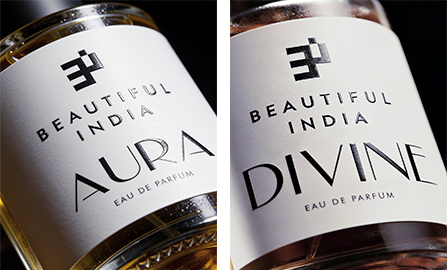
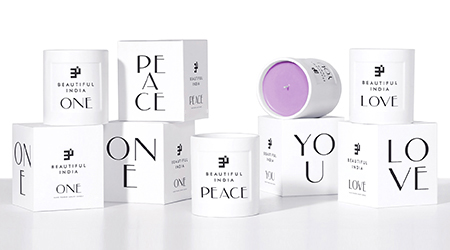
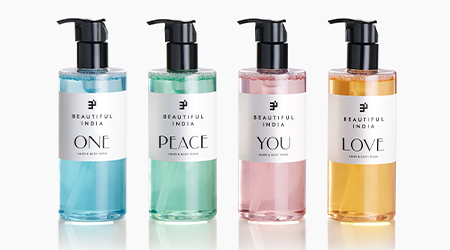
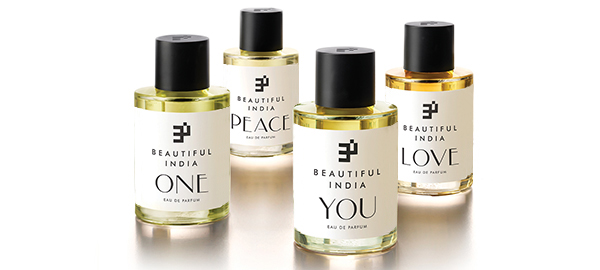
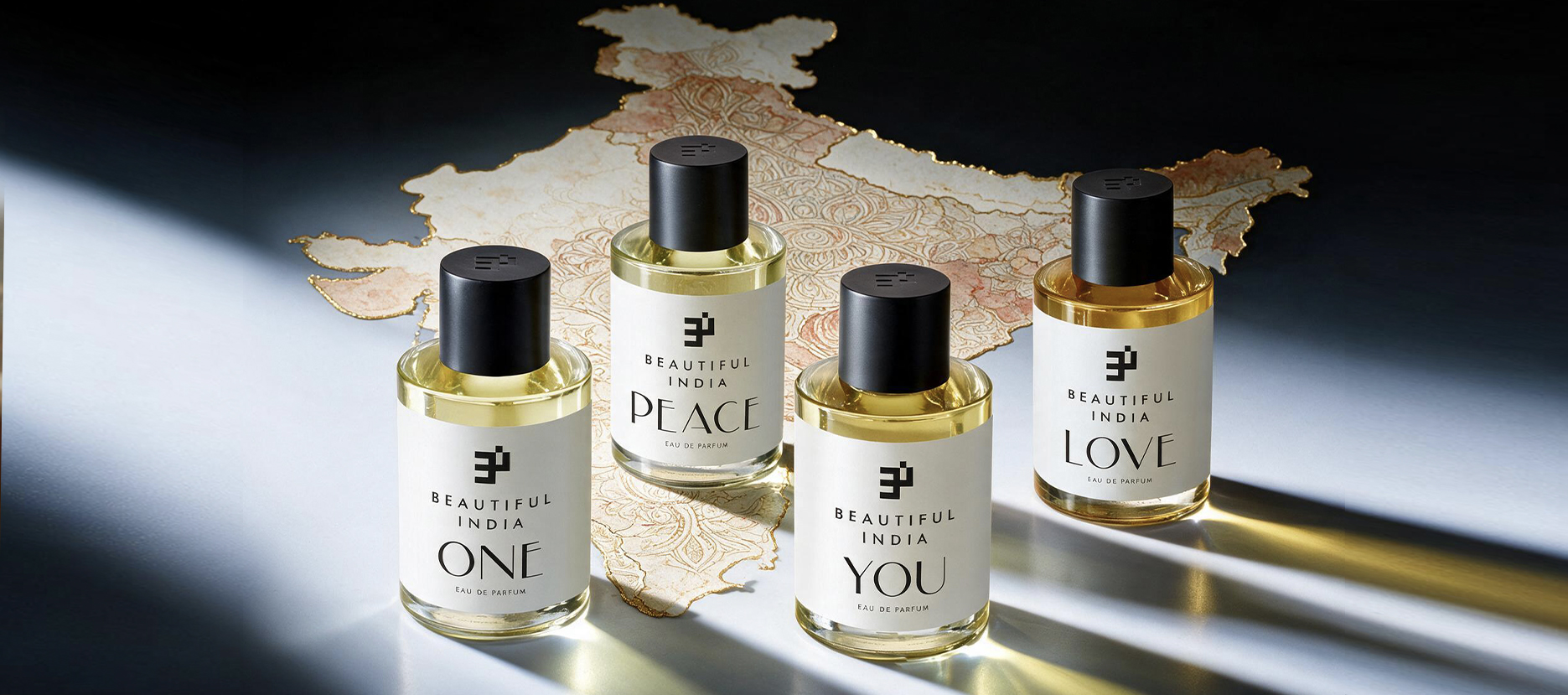
Among the emerging voices shaping this movement is BEAUTIFUL INDIA.
Rather than presenting India as an aesthetic reference, the house approaches it as a living philosophy. Its fragrances bring together exceptional Indian botanicals with 28 rare ingredients sourced from 22 countries, reflecting both the richness of India and the interconnected nature of contemporary luxury. Each composition is completed using pristine glacial Himalayan water — an element that speaks not only to purity, but to origin and place.
The brand's philosophy is equally distinctive. Rather than defining luxury through exclusivity alone, BEAUTIFUL INDIA offers an invitation to journey inward — to discover that beauty begins within.
It is a perspective that feels unmistakably Indian while resonating with a global audience increasingly drawn to meaning over excess.
In this sense, BEAUTIFUL INDIA is not attempting to recreate the traditions of European perfumery. It contributes a different voice to the conversation — one that is rooted in craftsmanship, inspired by nature and guided by a quieter understanding of luxury.
A Future Written with Confidence
Every generation redefines luxury.
The last century celebrated ownership. The next may celebrate connection — connection to nature, to craftsmanship, to culture, to ourselves.
India enters this moment with remarkable advantages — not because it seeks to replace existing luxury capitals, but because it offers something they cannot: a civilisation that has understood fragrance not merely as adornment, but as memory. Not merely as beauty, but as ritual. Not merely as luxury, but as a way of living.
The quiet rise of Indian luxury is therefore not a trend. It is the natural emergence of a culture ready to tell its own story.
And in fragrance, perhaps more beautifully than anywhere else, that story has only just begun.
Frequently Asked Questions
Why is India emerging as a force in luxury fragrance now?
Luxury consumers are increasingly valuing authenticity, provenance and meaning over familiar European labels. This shift creates space for countries with deep cultural and botanical heritage like India to move from supplying ingredients to creating finished luxury products with their own voice.
Hasn't India always been part of the perfume industry?
Yes, but historically as a source of raw materials. Indian flowers, spices, woods and botanicals have been sourced by perfumers worldwide for generations, but the finished fragrances often carried foreign labels. What's changing now is India creating and presenting its own luxury fragrance brands.
What makes India's fragrance heritage distinctive?
Scent has been part of Indian ritual, celebration, hospitality and healing for centuries not treated as decoration. This has produced one of the richest botanical traditions in the world, from Himalayan-region cardamom to south Indian vetiver and Bulgarian-comparable rose cultivation.
Is heritage alone enough to build a luxury fragrance brand?
No. Modern consumers expect brands to combine ancient knowledge with contemporary design, craftsmanship and international standards honouring tradition without becoming purely nostalgic. Heritage provides the foundation, not the finished brand.
Why is fragrance considered a powerful medium for expressing Indian luxury?
Unlike fashion or jewellery, fragrance carries no size or status signal it's deeply personal and creates emotion rather than attention. This intimacy makes it well suited to expressing cultural identity and India's spiritual and artistic traditions.
Is the rise of Indian luxury fragrance meant to compete with Paris or Milan?
Not directly. The opportunity is described as contributing something established fragrance capitals cannot, rather than replicating their traditions offering a distinctly Indian interpretation of luxury rooted in craftsmanship, nature and quieter emotional resonance.