
 France (en)
 Italy
Italy
 Japan
Japan
 United States





Eau de Parfum, Explained: Concentration, Longevity & the Mark of a Serious Fragrance
Walk into any fine fragrance boutique and you'll encounter a familiar sequence of terms: Eau de Cologne, Eau de Toilette, Eau de Parfum, Parfum.
For many people, these labels are confusing. Does a higher concentration simply mean a stronger fragrance? Does it guarantee longer wear? And why do some Eau de Parfums linger gracefully for hours while others seem to disappear almost as quickly as they arrived?
The answer lies in an elegant combination of science, artistry and craftsmanship. Concentration matters — but it is only one part of what makes a fragrance exceptional.
The finest Eau de Parfums are not simply more powerful. They are more thoughtfully composed.
What Is an Eau de Parfum?
An Eau de Parfum (EDP) contains a higher concentration of fragrance oils than an Eau de Toilette (EDT), allowing the scent to develop with greater richness and depth.
While exact formulations vary between perfume houses, Eau de Parfum typically contains around 15–20% fragrance oils, while many Eau de Toilettes contain approximately 5–15%. Parfum or Extrait de Parfum often contains even higher concentrations.
Yet concentration alone tells only part of the story.
Think of fragrance like music. Turning up the volume does not improve the composition. Similarly, increasing perfume oil without thoughtful balance does not automatically create a more beautiful fragrance.
Luxury perfumery depends on harmony rather than intensity.
Why Does Eau de Parfum Last Longer?
One reason Eau de Parfum generally offers greater longevity is its higher concentration of aromatic materials.
As the lighter top notes gradually evaporate, the richer heart and base notes continue to unfold, allowing the fragrance to evolve over many hours. This slow transformation is one of perfumery's greatest pleasures.
Rather than remaining identical from morning until evening, a beautifully composed Eau de Parfum reveals itself gradually. The sparkling citrus opening may soften into delicate florals. Warm spices may emerge unexpectedly. Woods and resins settle gently onto the skin.
The fragrance becomes a journey rather than a single moment.
Longevity Is About Architecture, Not Just Concentration
One of the most common misconceptions is that longevity depends entirely upon perfume oil percentage. In reality, the structure of the composition plays an equally important role.
Every fragrance is built in three movements.
Top Notes
These create the first impression. Citrus, herbs and lighter fruits often appear here, offering freshness and immediate character.
Heart Notes
Often called the soul of the fragrance, the heart develops once the opening begins to soften. Floral accords, spices and aromatic botanicals frequently occupy this stage.
Base Notes
The foundation remains longest on the skin. Woods, resins, amber, vanilla, musk and vetiver provide depth, warmth and longevity.
A great Eau de Parfum balances these three stages so naturally that transitions feel almost invisible. The fragrance never appears to disappear. Instead, it gently becomes something new.
Why Luxury Eau de Parfum Feels Different
People often recognise a luxury fragrance before they consciously understand why. It rarely feels loud. Instead, it feels complete.
This comes from the quality of the composition as much as the quality of the ingredients. Exceptional perfumers spend months refining proportions that most wearers will never consciously detect — a fraction more bergamot, slightly less patchouli, a softer transition between jasmine and cedarwood.
Tiny adjustments create remarkable emotional differences. Luxury exists within these invisible refinements.
Ingredients Make the Difference
Concentration cannot compensate for poor materials. Just as an accomplished chef relies upon exceptional produce, master perfumers depend upon outstanding raw ingredients.
The world's finest fragrances draw from remarkable landscapes:
- Italian bergamot
- Bulgarian rose
- Indian sandalwood
- Haitian vetiver
- Madagascan vanilla
- Egyptian geranium
- Indonesian patchouli
These ingredients possess depth and nuance that reveal themselves gradually throughout the day. Their complexity contributes significantly to both elegance and longevity.
Skin Chemistry Matters
Have you ever noticed that the same perfume smells slightly different on two people? This is perfectly natural.
Every person's skin possesses unique chemistry influenced by hydration, temperature, lifestyle and natural oils. These subtle differences affect how fragrance develops. A perfume that lasts ten hours on one individual may wear differently on another.
For this reason, experienced fragrance lovers rarely judge a perfume from a paper blotter alone. Luxury fragrance is designed to interact with skin. Only there does its full personality emerge.
The Art of Wearing Eau de Parfum
Applying fragrance well is surprisingly simple.
Rather than spraying generously across clothing, many perfumers recommend applying Eau de Parfum to pulse points where warmth encourages gradual diffusion:
- Wrists
- Neck
- Behind the ears
- Inside the elbows
These areas allow the fragrance to unfold naturally throughout the day. Less often becomes more. An elegant fragrance should invite discovery rather than demand attention.
Why Eau de Parfum Costs More
One of the most frequently asked questions in fine fragrance is simple: why is Eau de Parfum more expensive?
The answer extends beyond concentration. Luxury Eau de Parfum reflects investment in every stage of creation:
- Exceptional raw materials
- Master perfumers
- Longer development cycles
- Multiple formula revisions
- Higher ingredient standards
- Thoughtful packaging
- Rigorous quality control
When viewed this way, price reflects craftsmanship rather than simply volume. Consumers are not paying only for perfume oil. They are investing in artistry.
Choosing an Eau de Parfum
The finest fragrance is not necessarily the strongest. Nor is it always the one that lasts the longest.
The right Eau de Parfum becomes part of your personality. It accompanies rather than overwhelms. It creates memory rather than merely scent.
When selecting a fragrance, consider how it makes you feel rather than how many compliments it receives. Luxury perfume is ultimately a deeply personal experience. The most memorable fragrance is often the one that quietly becomes your signature.
A Contemporary Interpretation of Eau de Parfum
As luxury fragrance evolves, a new generation of perfume houses is combining traditional craftsmanship with contemporary storytelling. Rather than relying solely upon heritage measured in centuries, they build credibility through thoughtful formulation, exceptional ingredients and authentic philosophy.
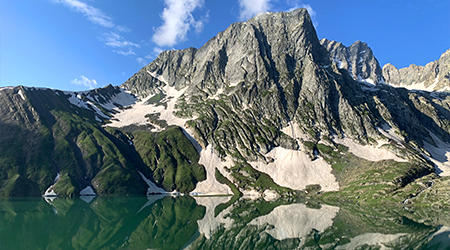
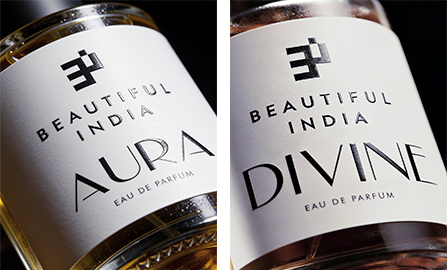
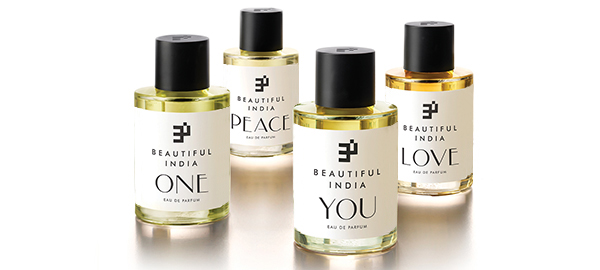
BEAUTIFUL INDIA belongs to this emerging generation. Its Eau de Parfum collection brings together exceptional Indian botanicals with 28 rare ingredients sourced from 22 countries, creating compositions that are layered, balanced and expressive. Each fragrance is completed using pristine glacial Himalayan water, reflecting the brand's commitment to provenance and craftsmanship.
Yet what distinguishes BEAUTIFUL INDIA is not simply formulation. It is perspective. Every fragrance is conceived as an invitation to journey inward — to discover that true beauty begins within ourselves.
This philosophy transforms perfume from an accessory into something more meaningful: an experience, a ritual, a quiet reminder.
The Mark of a Serious Fragrance
In the end, Eau de Parfum is not defined solely by concentration. It is defined by intention.
A serious fragrance is created with patience. Balanced with intelligence. Composed with emotional sensitivity. It unfolds rather than announces itself. It evolves rather than remains static. It leaves an impression not because it is loud, but because it is beautifully made.
That is why the finest Eau de Parfums continue to occupy such a special place within luxury. They remind us that craftsmanship is rarely measured by what arrives first. It is measured by what remains long after the first spray has faded, long after the day has ended, and often, long after the fragrance itself has become a memory.
Frequently Asked Questions
What's the difference between Eau de Parfum and Eau de Toilette?
Eau de Parfum (EDP) typically contains around 15–20% fragrance oils, compared to roughly 5–15% in Eau de Toilette (EDT). The higher concentration generally gives EDP greater richness, depth and longevity on the skin.
Does a higher concentration always mean a better fragrance?
No. Concentration influences richness and longevity, but it doesn't determine quality on its own. A well-balanced formula depends on how the top, heart and base notes are composed together — increasing oil percentage without that balance won't automatically improve the fragrance.
Why does Eau de Parfum last longer than lighter fragrances?
Its higher concentration of aromatic materials means that as the lighter top notes evaporate, richer heart and base notes continue to unfold, allowing the fragrance to evolve over many hours rather than fading quickly.
What are top, heart and base notes?
They're the three stages a fragrance moves through over time. Top notes (citrus, herbs, light fruits) create the first impression. Heart notes (florals, spices, aromatic botanicals) form once the opening softens. Base notes (woods, resins, amber, vanilla, musk, vetiver) remain longest and provide depth.
Why does the same perfume smell different on different people?
Skin chemistry influenced by hydration, temperature, lifestyle and natural oils affects how a fragrance develops. This is why experienced fragrance lovers avoid judging a scent from a paper blotter alone; it needs to interact with skin to reveal its full character.
Where should Eau de Parfum be applied for the best effect?
Pulse points are recommended, since warmth there encourages gradual diffusion wrists, neck, behind the ears and inside the elbows. Applying to these areas allows the fragrance to unfold naturally through the day rather than being oversprayed onto clothing.
Why is Eau de Parfum more expensive than lighter fragrances?
Price reflects more than concentration it accounts for exceptional raw materials, master perfumers, longer development cycles, multiple formula revisions, higher ingredient standards, packaging and quality control. It's an investment in craftsmanship, not just perfume oil.